Oyster Story
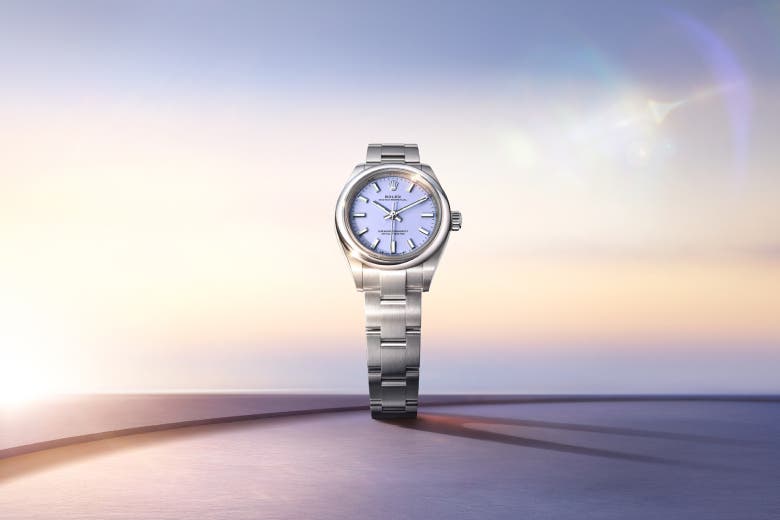
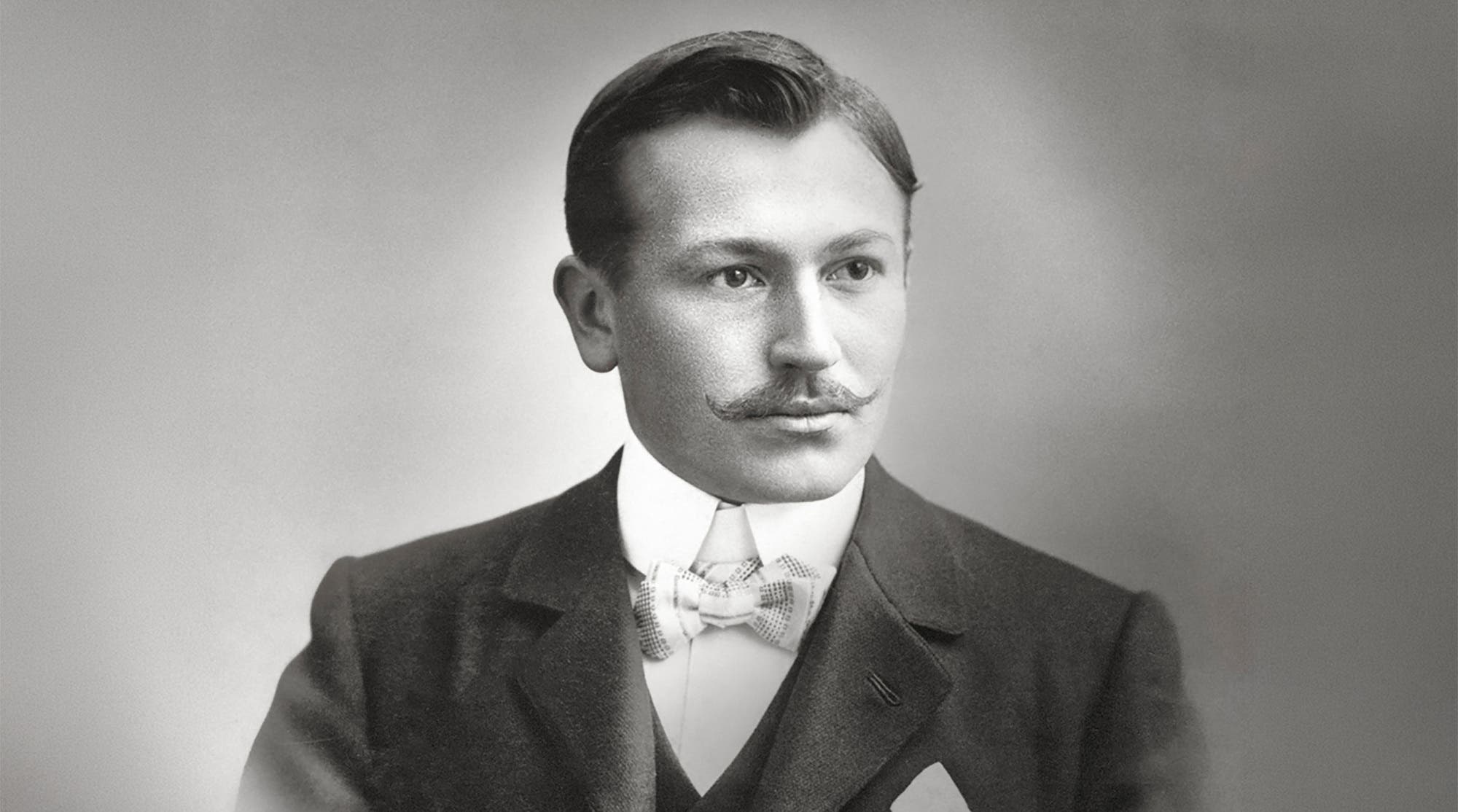
The Oyster originated from the vision of Hans Wilsdorf. The founder of Rolex wanted the wristwatch to be an integral part of the technological innovations that radically changed society at the beginning of the 20th century. One hundred years after this revolution in the world of watchmaking, the Oyster continues to evolve and helps its wearers to pursue their goals.
Chronometric precision, water resistance and automatic winding: these three major challenges and important milestones in the watchmaking industry confirmed the success of a visionary entrepreneur and determined the fate of a revolutionary watch.
The challenge of precision
In 1910, a Rolex watch received a certificate of chronometric precision from the Official Watch Rating Centre in Bienne (Switzerland). It was proof that this wristwatch was as accurate as a pocket watch, which was the reference at the time. A few years later, in 1914, the watchmaking world was surprised again when another Rolex wristwatch received a Class A certificate from the British Kew Observatory, an award that until then had been awarded almost exclusively to large marine chronometers.
In doing so, Rolex made an important contribution to the reputation of the wristwatch, which was previously considered more of a piece of jewellery and extremely unreliable in terms of accuracy. After overcoming the challenge of accuracy, Rolex turned its attention to the design of the perfect protection for its movements.
From Oyster to Oyster Perpetual
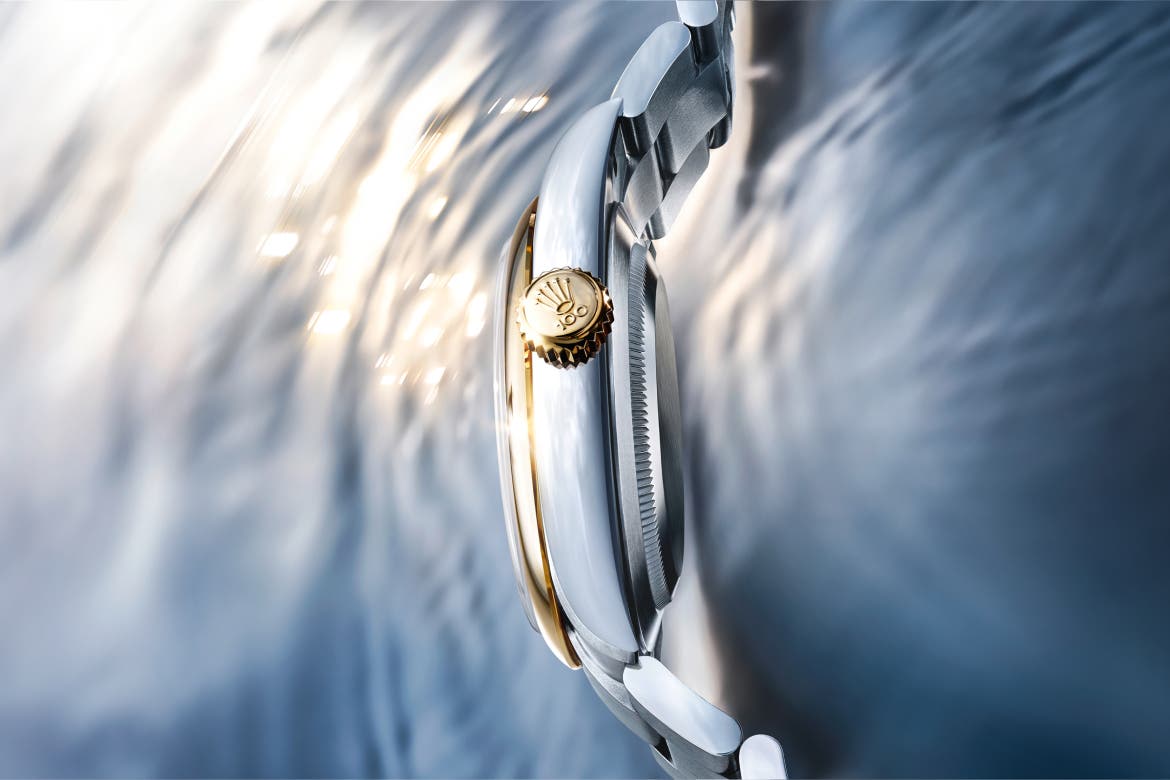
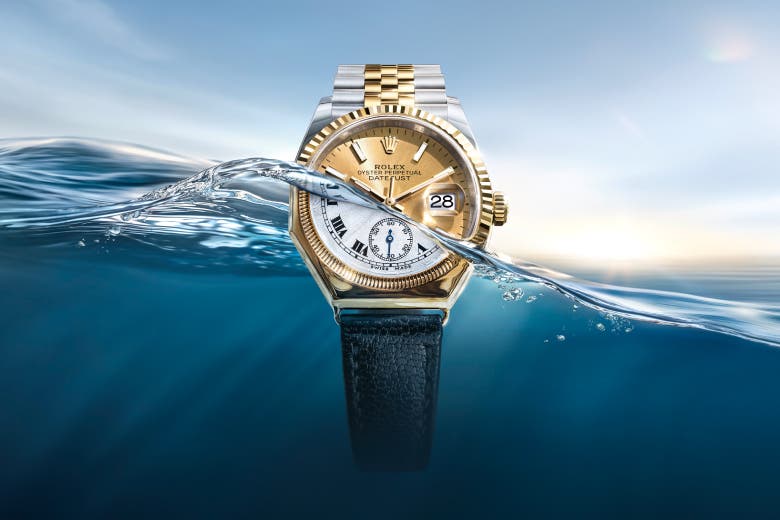
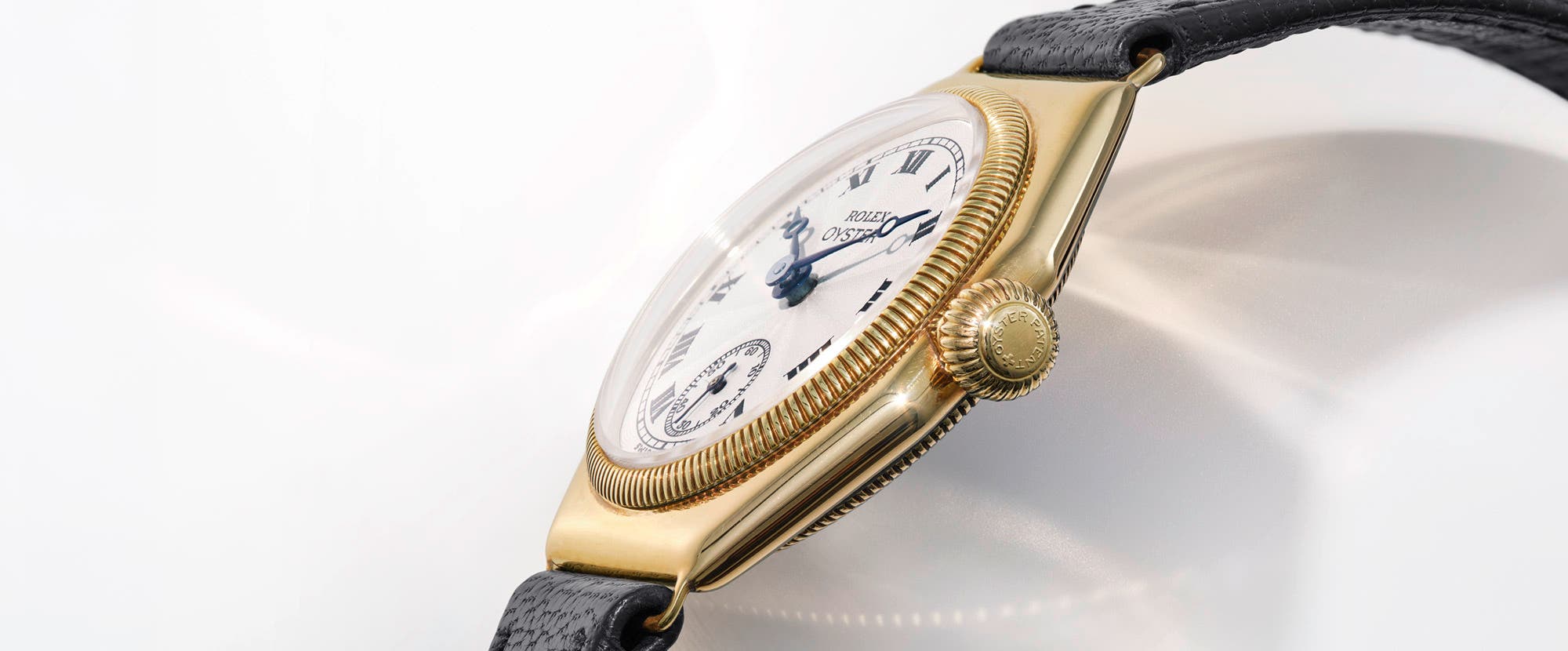
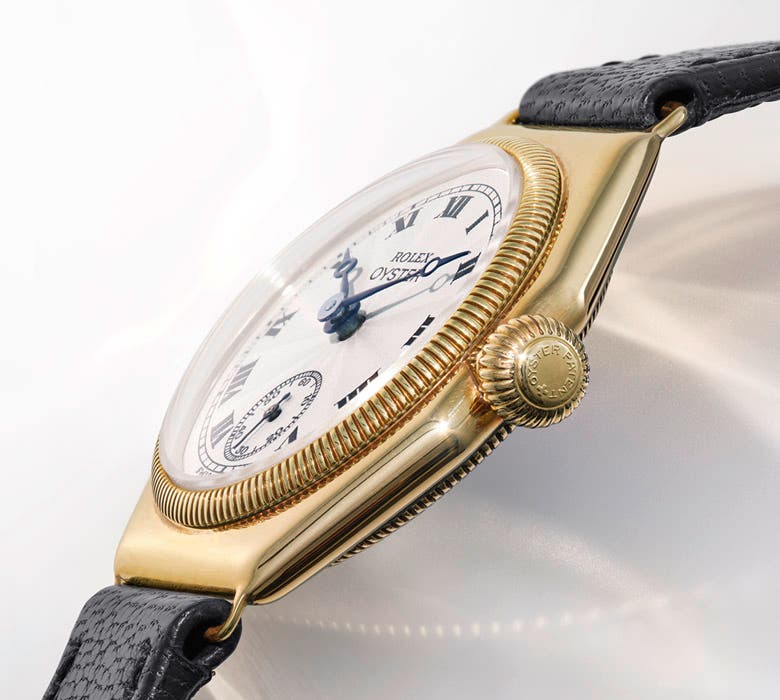
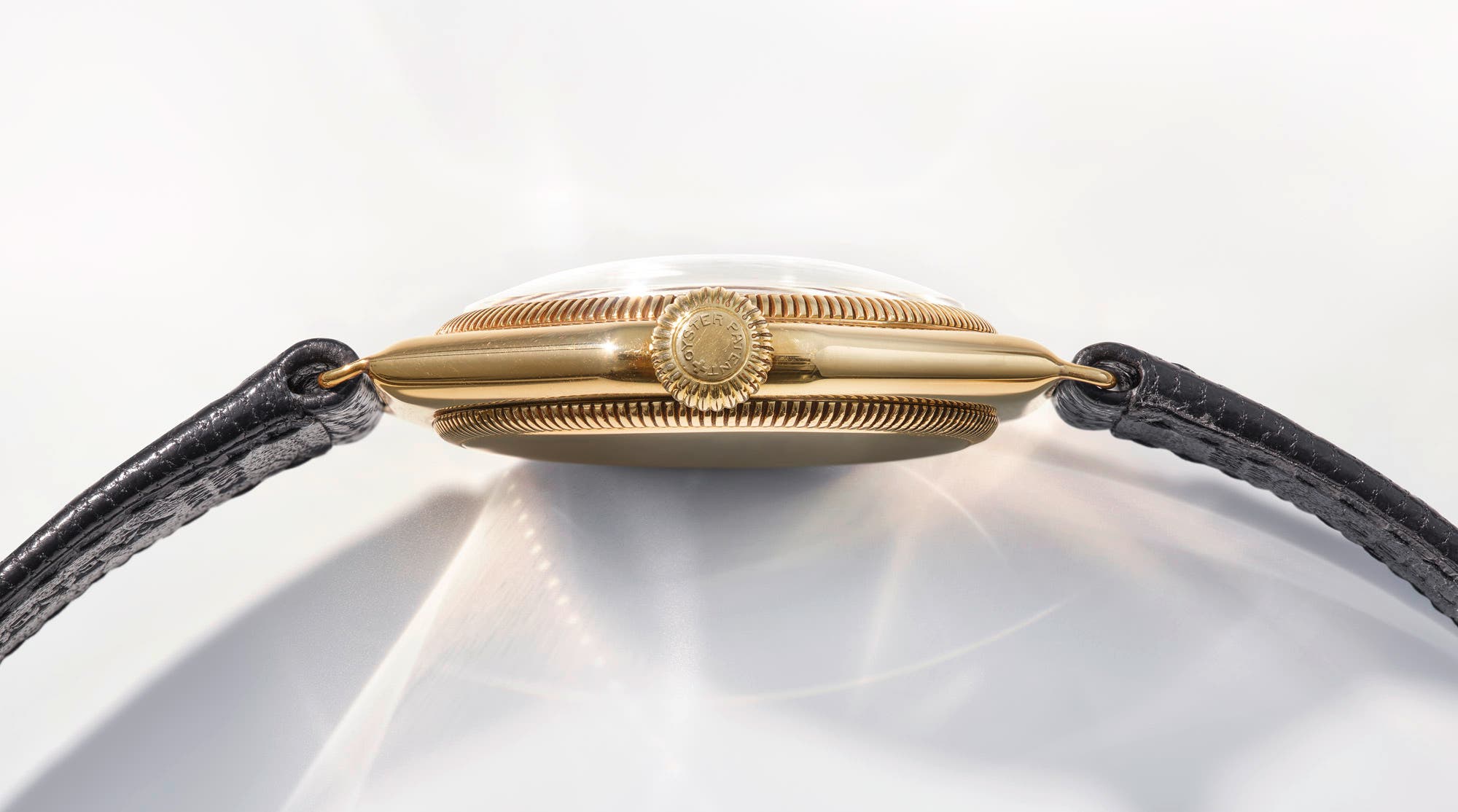
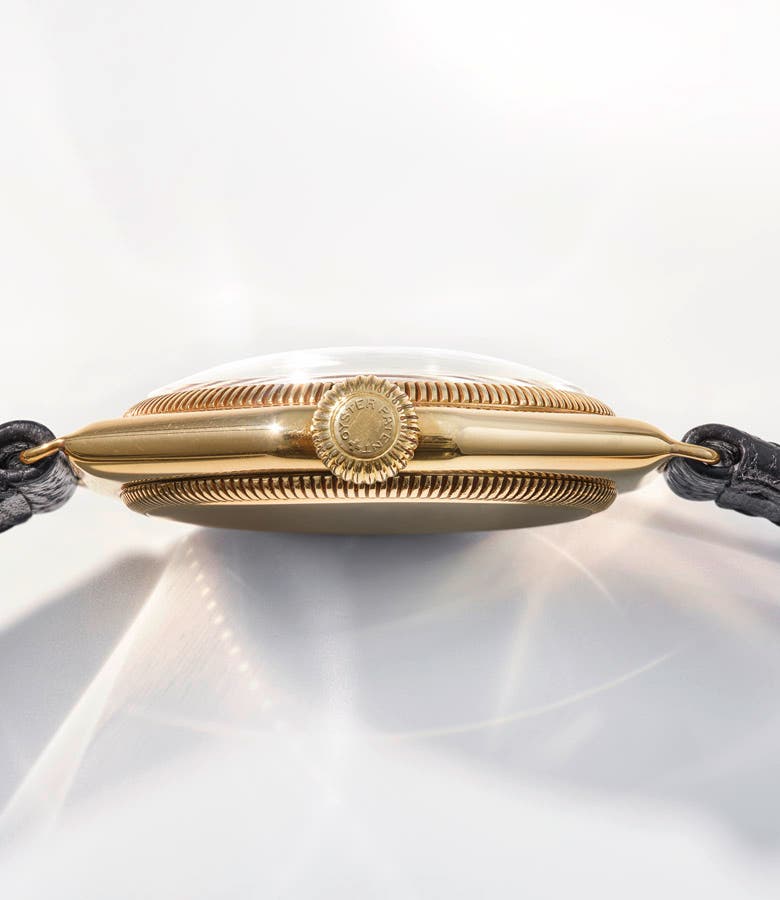
The invention of the Oyster in 1926 meant a huge breakthrough in the world of watchmaking. The case, which gives the wristwatch its name, was completely waterproof and dustproof thanks to the system in which the bezel, case back and winding crown were screwed to the middle case.
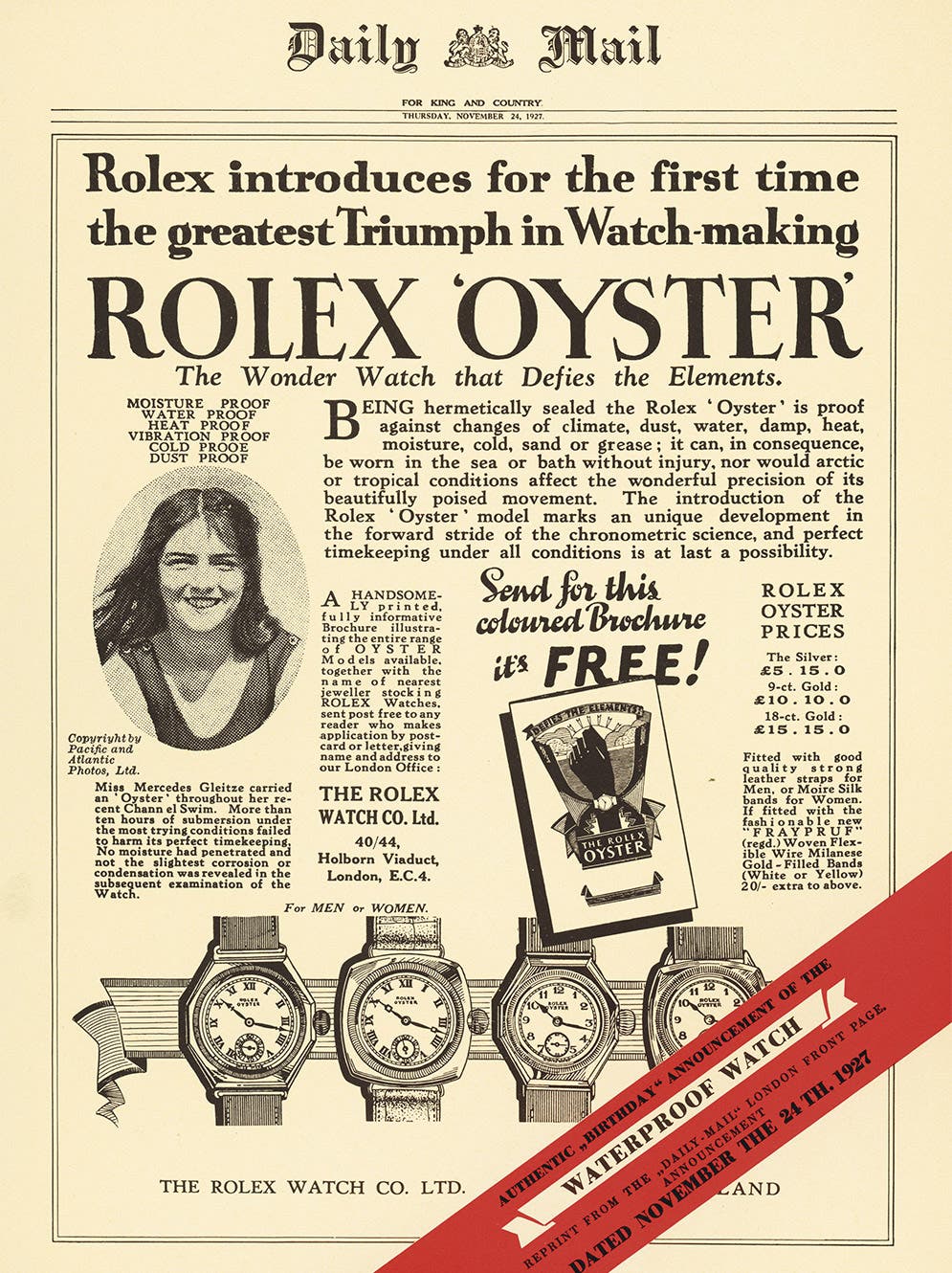
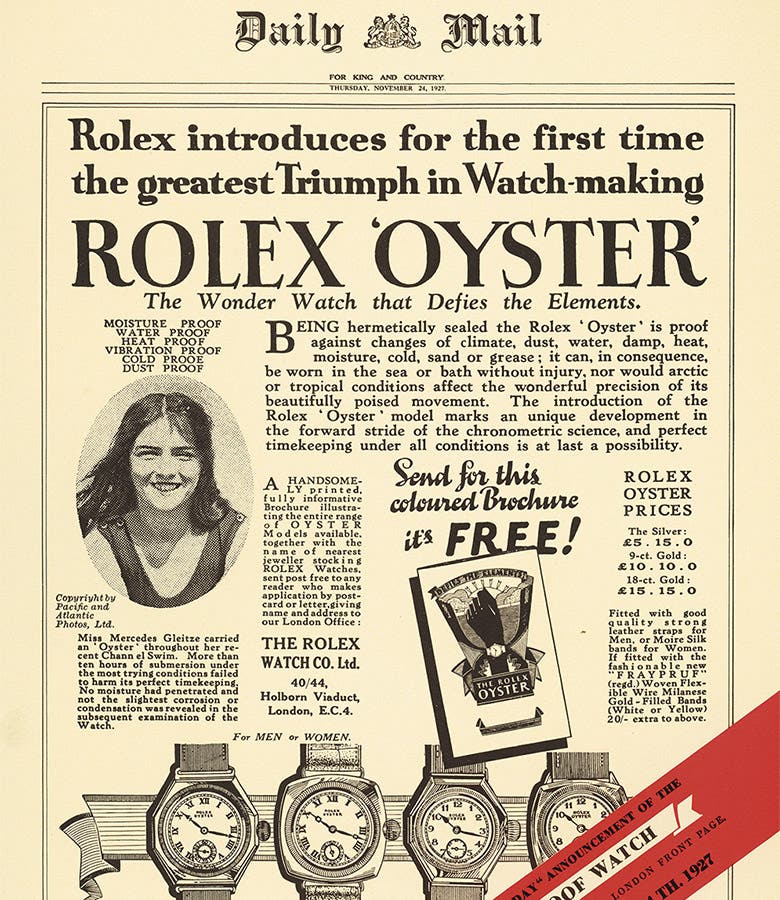
This revolution in watchmaking was put to the test in 1927 when England's Mercedes Gleitze swam across the Channel and spent 10 hours in the icy waters. The watch she was wearing – a gold Oyster – still worked perfectly after that.
With the development of the groundbreaking automatic winding system in 1931, the Perpetual rotor, the performance of Rolex watches was further enhanced. Precise, waterproof and now also automatic: the Oyster had become 'Perpetual'.
A living laboratory
'Performing under pressure', was Hans Wilsdorf's philosophy. Shortly after Mercedes Gleitze's achievement, he entrusted Oyster watches to various explorers, scientists, athletes, pilots, sailors, mountaineers and divers. These men and women had to test the reliability of Rolex watches from the highest mountain peaks to the deepest oceans, turning the earth into a living laboratory. Thanks to their feedback, the technicians at the manufacture were able to perfect and continuously improve the Oyster watches.
A collection driven by innovation
Better resistance to pressure and strong magnetic fields, graduated, rotatable bezel, second time zone... From the second half of the forties, more and more models appeared, which became more and more specialized to meet the diverse requirements. And so an entire watch family was born from the first Oyster. Each watch became a standard in its category, and many watches have become icons in the watch industry.
A commitment to the future
The history of the Oyster is also marked by the achievements of the many legendary people who wear a Rolex watch.
The brand supports athletes who have helped shape the history of their sport with their experience, accuracy, technique and talent to inspire younger generations. Rolex continues to demonstrate its commitment through its partnerships with the most prestigious institutions in equestrian, golf, motorsport, tennis and sailing.
This quest for excellence is also the driving force behind talented individuals supported by the Perpetual Arts Initiative who leave a lasting mark on global culture. By supporting these masters of emotion and the institutions where they perform, Rolex strives to preserve and transmit the fundamental human values that are so dear to the brand.
This commitment to the future is also reflected in the Perpetual Planet Initiative, where men and women share their expertise to tackle the environmental challenges of our time. Today, these change-makers build on the legacy of the explorers of the past to advance our knowledge of the world and thus find ways to protect it.


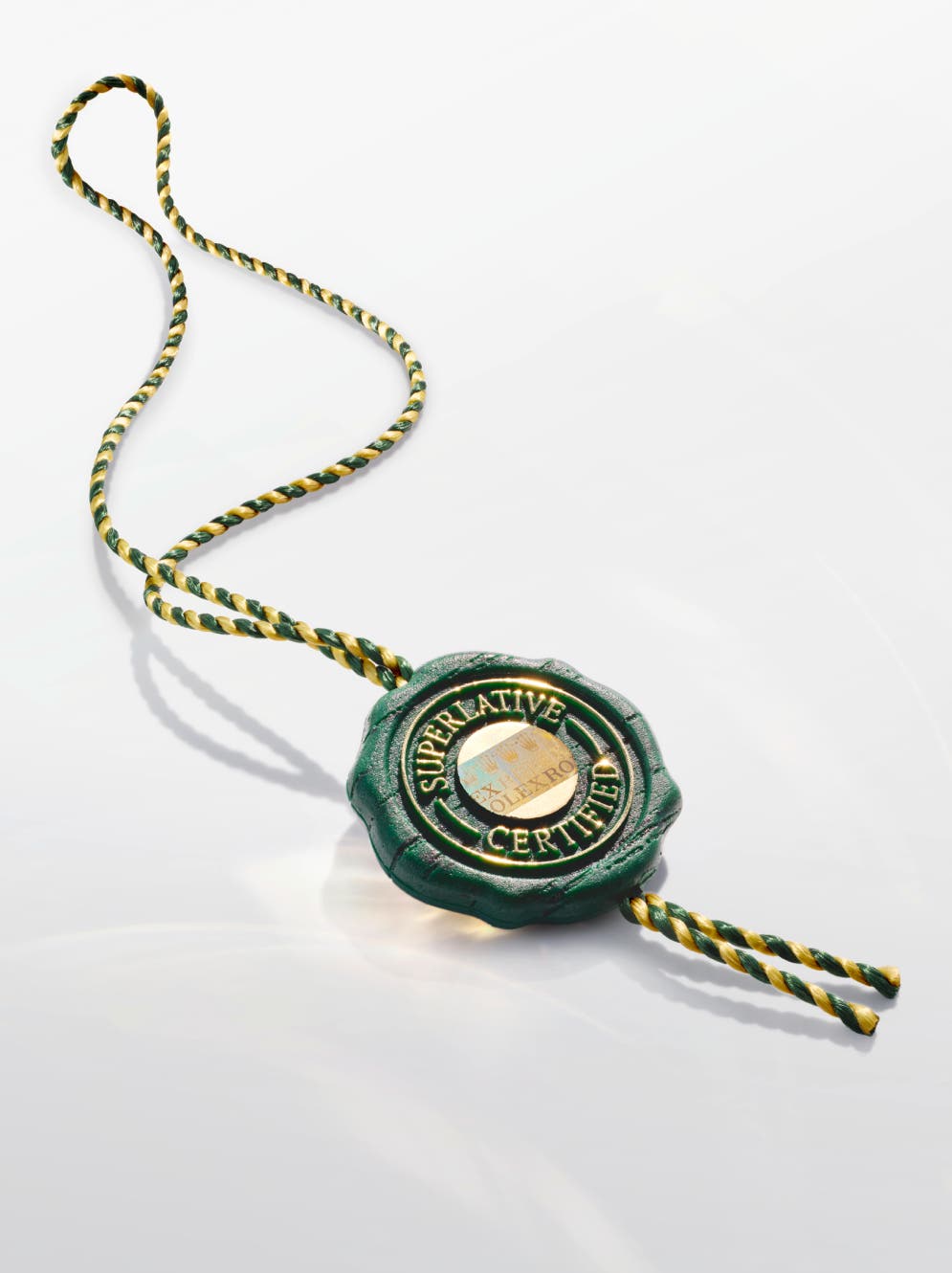
The new Superlative Chronometer certification
In 2026, Rolex will expand the criteria for its Superlative Chronometer certification to seven pillars of excellence: in addition to accuracy, waterproofness, automatic winding and autonomy, resistance to magnetism, reliability and durability are now also checked. The relentless drive for improvement has always been at the heart of Rolex, and this philosophy can be found in all its watches. This drive to push the boundaries further and further is reflected, for example, in the brand's continuous search for chronometric precision. This has led to the development of groundbreaking optical atomic clocks, which gave the manufacture access to an unprecedented level of precision. These state-of-the-art, innovative instruments are the current guardians of time at Rolex and are part of the international network that sets the Global Reference Time (UTC).